
Creating a More Equitable New York: Organizations to Support on Giving Tuesday
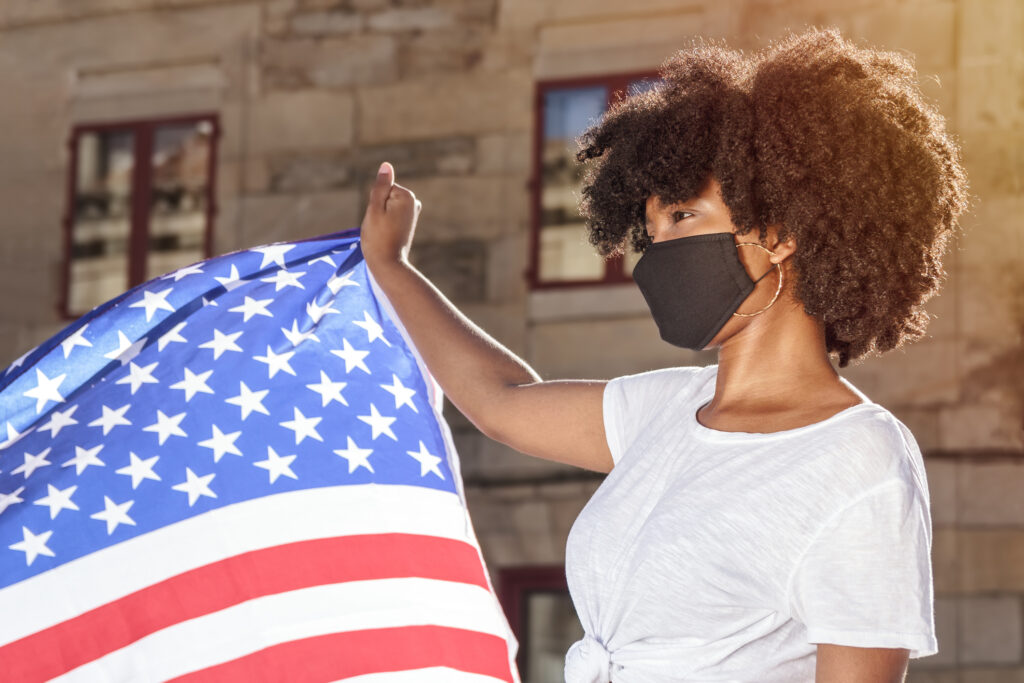
This year, there is no better time to recognize the importance of generosity and the impact it has to bring people together and affect change. The COVID-19 pandemic has touched every facet of our lives, with many of us dealing with profound change, loss, and uncertainty. Our communities are facing unparalleled challenges in responding to the pandemic, which has exacerbated deep inequities in our country. Thankfully, the City’s social justice community has been working tirelessly to address these injustices and will be critical to the City’s rebuilding efforts going forward.
This year marks the 8th anniversary of Giving Tuesday, which will take place on Dec 1, 2020. Giving Tuesday began in 2012 and has grown into a movement to encourage participation in global day of giving as we enter the holiday season. It is a special opportunity for everyone to give a helping hand to nonprofits within their community. Many nonprofit boards and supporters pledge to match donations, maximizing your impact. In 2019, Giving Tuesday raised $511 million in donations in the US alone and $1.9 billion worldwide.
Capalino encourages our friends and partners to consider donating to the following social justice organizations who are working to achieve a fairer and more equitable city for all New Yorkers.
Below, we’ve curated a list of local organizations you might consider supporting today:
- NAACP Legal Defense Fund: America’s premier legal organization fighting for racial justice to expand democracy, eliminate disparities, and achieve racial justice in a society that fulfills the promise of equality for all Americans as well as improve the quality and diversity of judicial and executive appointments.
- Make the Road NY: builds the power of Latino and other working-class communities to achieve dignity and justice utilizing community organizing and legal services to rewrite unjust laws and make democracy feasible for every person.
- Mutual Aid NYC: citywide multi-racial network that builds support systems during the COVID-19 pandemic and beyond by facilitating connections between neighborhood-based mutual aid groups, including tech and language access services.
- Exodus Transitional Community: delivers innovative programming tailored to adults and youth affected by the justice system and advocates for allocation of equitable resources across the communities that have been most impacted by mass incarceration.
- Correctional Association of New York: the only independent organization in New York with authority under state law to monitor prisons and confidentially communicate with those incarcerated, creating a platform for people inside prison to participate in and shape the public debate.
- Vocal NY: statewide grassroots membership organization that builds power among low-income people affected by HIV/AIDS, the drug war, mass incarceration, and homelessness in order to create healthy and just communities.
- Theatre of the Oppressed NY: partners with community members at local organizations to form theatre troupes that devise and perform plays based on their challenges confronting economic inequality, racism, and other social, health and human rights injustices.
Capalino assists companies doing business in New York City in actively giving back their time, talent and resources to the communities in which they operate. To learn more, contact Group Leader Jeanne Mullgrav at jeanne@nullcapalino.com or 212.616.5832.